-
Heritage in the streets of Amritsar
Instead of cool mountains and windy coasts, explore the city of Amritsar with its wondrous ...
Read More
-
Getaway by the Periyar
I woke up to the chirping of birds, and watched cormorants and kingfishers diving for ...
Read More
-
Urban forest to soothe Doon’s city blues
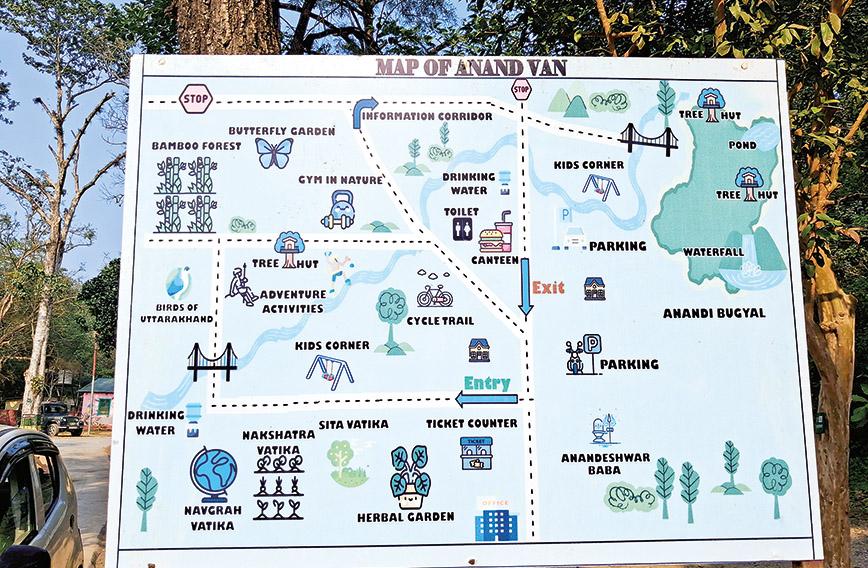
J ust 15 km from the centre of Dehradun, an urban forest has sprung up ...
Read More
-
Kashmir’s villages keen to be put on state's tourist map
There are destinations off the beaten track that tourists with a yen for adventure can ...
Read More
-
Be a royal at Sadar Manzil
It was twilight when I reached Sadar Manzil Heritage, a stunningly restored palace, located between ...
Read More
-
Kodagu is an experience
We drove down to Coorg from Bengaluru on the Madikeri-Mysuru highway, and quickly decided to ...
Read More
-
An adventure in Darjeeling
Achill in the air, towering pine trees, misty skies, rhododendrons, and the shrill whistle of ...
Read More
-
Mystery fort in the rain
In the midst of the monsoon, where do you go for a holiday? While most ...
Read More
-
Eco glamp in a stylish pod
Nashik is the grapes and wine capital of Maharashtra, but it is also home to ...
Read More
-
Be at peace in Soul Nest
TUCKED away from the din and bustle, on the outskirts of Bengaluru, is Soul ...
Read More
-
A snug cottage in the jungle
If you want to experience the feel and comfort of a luxury resort, the warmth ...
Read More
-
Fort, beach and song
UNENDING swathes of greenery greeted us as our vehicle meandered along the hilly roads of ...
Read More
-
Kairali’s healing ecosystem
SWAYING palmyras, vast vistas of paddy fields, meandering roads and the undulating Sahyadri range heralded ...
Read More
-
Cricket, cake, circus
Thalassery has the distinction of being the land of cakes, circuses, cricket, Communism, looms, lore, spices ...
Read More
-
Looking for a getaway? Try Mysuru
If you want to distance yourself from the hustle and bustle of Mysore, the royal ...
Read More
-
When life is a villa and a quiet beach
AS I clambered up a series of red laterite stone steps lined by lilies, spider ...
Read More
-
Joys of the Telugu kitchen
TO feast on Telugu food in a pleasant ambience, look no further. Reputed for its ...
Read More
-
Khajuraho: Check out love and life in the temple city
AS we passed tree-lined avenues and green-dotted rocky outcrops on our way to the venue ...
Read More
-
Ambling around Kozhikode’s streets and markets
THE drive from the charming hill station of Wayanad to the scorching plains of Kozhikode, ...
Read More
-
Soaking in the Konkan
OUR Konkan sojourn began with Ratnagiri, which conjures up visions of Hapus or Alphonso mangoes. It is ...
Read More
-
Getting a whiff of Coorg and its coffeeology
SNUGGLED in the midst of 300 acres of verdant coffee and spice plantations in a ...
Read More
-
Keilpodh: A Kodava festival of arms in Karnataka
COME September and the Kodavas look forward to Keilpodh, or the festival of arms, a ...
Read More
-
In Wayanad for the rains and more
Reclining in the balcony of my glamp, a diaphanous igloo-like structure, in Mount Xanadu Resort, ...
Read More
-
Get away from it all
IF you are seeking to unwind and calm your nerves, jangled by urban living, head ...
Read More
-
A cottage in Misty Woods in the heart of coffee country
IT was 3 pm when we zoomed into Misty Woods Resort in Kakkabe in Kodagu district ...
Read More
-
A cultural binge and a food trail to savour
THERE is much to see and savour in Madhya Pradesh, the heart of India. There ...
Read More
-
Peace, sheep at Tosa, stay a while in village homes
TRY an adventurous trek in Kashmir this summer after you’re done with Srinagar’s Dal Lake ...
Read More
-
Waterfalls, sand and a woman’s curse
AFTER we had our fill of the royal city of Mysore, we decided to explore ...
Read More
-
Sonamarg’s snowy slopes are where the new action is
FOR winter sports lovers in India and abroad, there is good news from snowy Kashmir. ...
Read More
-
Village of ancient temples
AFTER a heritage sojourn to Badami and Pattadakal, I stopped by the picturesque village of ...
Read More
-
Lose yourself in Valparai's walks and wildlife
LEAVING behind the scorching heat of the dusty plains of Coimbatore, it was a pleasant climb ...
Read More
-
Nandhana Palace’s gen next is in the cloud
WE were on a culinary excursion to savour the flavours of Andhra cuisine in the ...
Read More
-
Restoring Alwar’s magical fort palaces
THE Tijara Fort Palace dominated the landscape for miles around as we approached it from ...
Read More
-
Walking into the past in Ahmedabad
ON a cold winter’s morning, I sauntered into a maze of narrow lanes in Ahmedabad, ...
Read More
-
Wondrous stepwell and a love story in Adalaj
A 20-km detour from the city of Ahmedabad took me to Adalaj, a village reputed ...
Read More
-
A stunning Ahom legacy beckons in Assam
AS we rambled through Sibsagar, the heartland of the Ahom kingdom in Assam, we felt ...
Read More
-
Does Goa have a future without mass tourism?
Tough restrictions on entry of tourists, a partial shutdown and preparations for a third coronavirus ...
Read More
-
Drive to Masrur, discover a mysterious temple
EVERY summer, many thousand people drive on holidays to Kullu, Manali or Dharamsala but very ...
Read More
-
Take off for Gwalior on a temple adventure
ANYONE with a sense of adventure and a taste for art and history will find ...
Read More
-
Old temples, great carvings in Bishnupur
FROM Kolkata, the dusty terracotta temple town of Bishnupur is just a 200-km train ride ...
Read More
-
COVID-loafing in historic Bundelkhand
Winter is the perfect season for motoring and exploring many wonderful destinations not too far ...
Read More
-
Sri Lanka's delectable cuisine
What do Tamil Nadu and Kerala have in common with the tear-shaped island of Sri ...
Read More
-
Dying to get out? Drive to palaces, a jungle, museums
From Bengaluru we embarked along the well-marked SH-17, the main highway to the heritage-rich city ...
Read More
-
A cathedral in Madurai! Not just temples
As I approached the temple town of Madurai, the lofty gopuras of the Meenakshi Sundareswarar ...
Read More
-
Monasteries and momos in Tibetan heaven
We were zipping down the Bengaluru-Mysore highway (SH-17) which connects Mysore to the coffee heartland of ...
Read More
-
Romance and heritage at Mandu
On a wintry morning, I checked into my tented accommodation in the fort town of ...
Read More
-
Galle's great for its colonial past
It was noon when we sauntered into the cobbled streets of Galle, a UNESCO World ...
Read More
-
An oasis in a valley
Located in the heart of Karnataka’s Bellary district, Sandur, which in Kannada means ‘town between ...
Read More
-
The elegant Grand is green as well
It was evening when we zoomed in to the Grand Hotel in Nuwara Eliya after ...
Read More
-
Istanbul and its many charms
The unique city of Istanbul in the north-west of Turkey is, amazingly, the only city ...
Read More
-
Take a tour of history and have strawberries
A striking statue of Chhatrapati Shivaji Maharaj astride a horse with sword held high welcomed ...
Read More
-
Feel the jungle
It was pitch dark when I reached Reni Pani Jungle Lodge, a luxury lodge on ...
Read More
-
Nothing like Nalanda
Ruins make great tourist attractions. Ruins of ancient palaces, of forts, temples. But ruins of ...
Read More
-
Bird in stone! Jatayu is world’s biggest sculpture
Spread over 65 acres across four hills, the Jatayu Earth’s Centre hosts the world’s largest ...
Read More
-
Going to Hulakoti? Tuck in at the millets café
An Ethnic Food Café on National Highway 67 which links Ankola to Bellary is attracting ...
Read More
-
Coconut Lagoon brings back the original Kerala tharavad
From the private jetty the boat chugged across the Vembanad lake, the largest wetland ecosystem in ...
Read More
-
Go to Bhopal for museums, monuments and palaces
Sitting in the balcony of my room at the Noor-Us-Sabah Palace Heritage Hotel in Bhopal, ...
Read More
-
Tamara colonial charm in 1860 bungalow, greenery
The imposing The Tamara Kodai is just a stone’s throw from the din and bustle ...
Read More
-
Chanthaburi heritage and Pattaya’s 3D art
The Indian tourist has evolved and matured. When destination fatigue sets in, Indian tourists scout for ...
Read More
-
At Ross Island a bakery, club house from its past
From the Phoenix Boat Jetty in Port Blair, a boat ferried us to Ross Island, ...
Read More
-
Travel to Vagamon, find synergy of 3 religions
As we left the rubber town of Kottayam, we felt a perceptible change in the ...
Read More
-
Horsley Hills is an ideal weekend getaway
The eight-kilometre drive from the parched plains of Madanapalli in Chittoor district past wooded slopes ...
Read More
-
Three museums on the ordinary citizen
About a year ago a Russian girl made a frantic call to Victor Hugo Gomes, ...
Read More
-
Why Bandipur is special: jungles and rustic living
April is the cruellest month at the Bandipur National Park but a slight mist in ...
Read More
-
Go trekking in Munnar in the heart of tea country
We received a green carpet welcome as we entered the tea town of Munnar. There ...
Read More
-
Tosa Maidan to be tourist attraction
Tosa Maidan, a huge meadow in central Kashmir’s Budgam district, is set to make its ...
Read More
-
Hospitable Kashmir seeking tourists
After being pushed to the wall during the summer agitation the beleaguered tourism sector in ...
Read More
-
Medieval India's sights and sounds in Bidar
The silence of the morning was broken by the chorus of birds. Several colourful butterflies ...
Read More
-
Tourism makes the people of Kumarakom smile
We zigzagged amidst a cluster of tiny picturesque islands around the Vembanad lake in a ...
Read More
-
Adrift on the Konaseema backwaters
Drifting down the Konaseema backwaters in East Godavari district of Andhra Pradesh is an amazing ...
Read More
-
The many colours of the Rann and its Utsav
Dawn was breaking when we walked on the crusty Great Rann of Kutch and the ...
Read More
-
When in Goa next visit this museum of modern art
From the outside, it is a high and yet somewhat boxy structure in an industrial ...
Read More
-
A stepwell of great beauty by a queen
After a 125-km drive from Ahmedabad, an amazing sight awaited us at the village of Patan. ...
Read More
-
Tathastu: A rustic retreat near a jungle
Tathastu resort is a charming weekend getaway located in a hamlet on the fringes of ...
Read More
-
Little Rann of Kutch is teeming with wildlife
It was twilight when we checked into Rann Riders, an ideal base to explore the ...
Read More
-
Capt. Dhond’s big dream comes true
You know you’re setting out for something different when you arrive in Panjim and ask ...
Read More
-
At Bako in Borneo find great jungles and beaches
To get to the Bako Wildlife Park, we took a pleasant drive from Kuching, the ...
Read More
-
Living heritage is what Udaipur offers
I watched an amber sun sink behind mountain tops as I sat in the Sunset ...
Read More
-
Great park gets back rare goat and more
Ensconced between the high ranges of the Kannan Devan Hills in Idukki District and the ...
Read More
-